
VoIP Solutions for Healthcare

Why Healthcare Providers Need a Specialized VoIP Phone System
Communication in the context of the healthcare sector is entirely different from what we see elsewhere in the market. The need for patient safety, HIPAA compliance, scheduling and booking, and off-duty availability would require something much better than any generic VoIP service out there.
By implementing a VoIP system that caters specifically to medical facilities, clinics will be able to manage their inbound calls effectively and become compliant with the law.
HIPAA Compliant VoIP: What It Means and Why It Matters
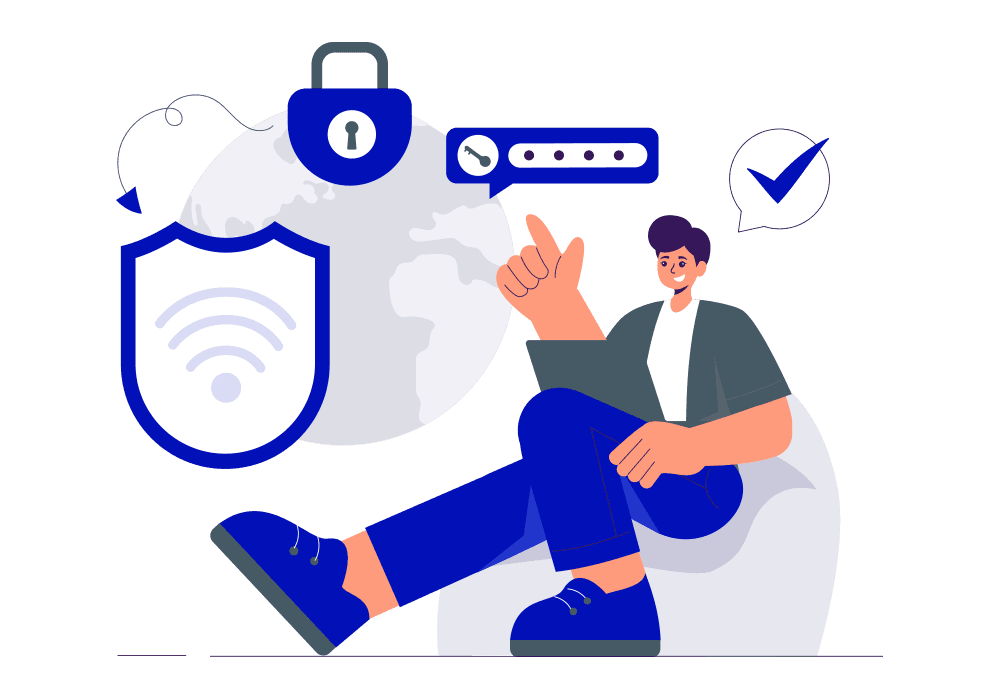
The first and most important aspect when dealing with any software that will manage PHI is that you will have to comply with HIPAA requirements. In terms of VoIP solutions, this implies that you must be able to enter into a business associate agreement with the vendor, and the technology should be equipped with the necessary security measures.
HIPAA compliance issues relating to the use of VoIP solutions in medical offices include:
- Encryption of all calls and voicemail
- Protection of call recordings containing PHI
- Access control on recordings and call logs
- Audit trails
- Option to have a BAA
In order to ensure the safety of your patients’ information, check if the solution you want to purchase comes from a vendor who offers BAA and can tell you how they handle PHI.

Key Features of a Medical Office Phone System
Patient Call Routing and Queue Management
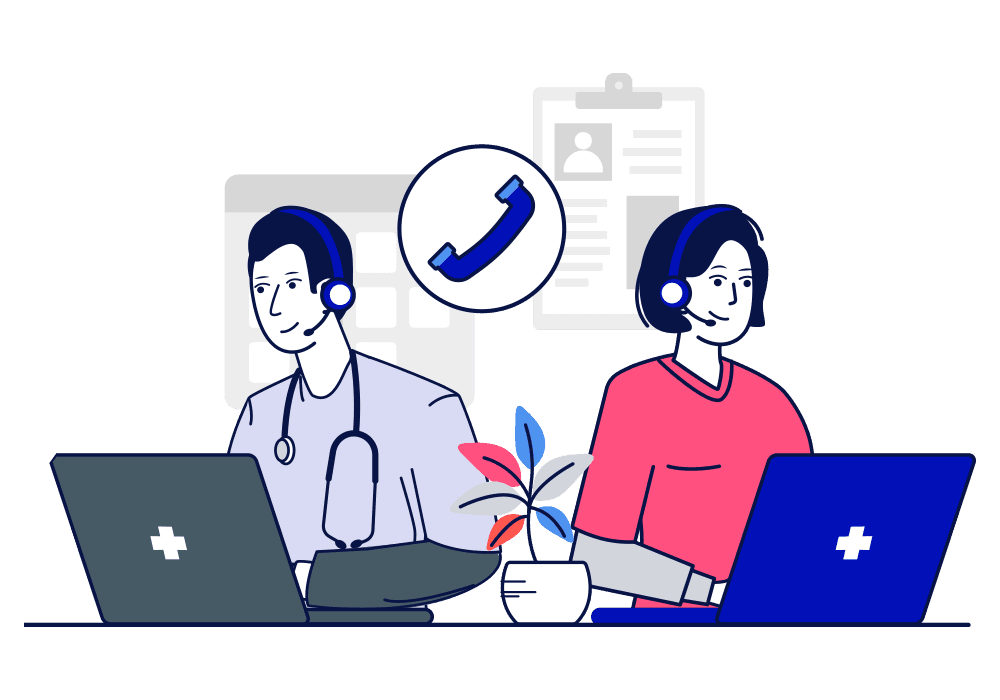
The front desk personnel at busy clinics devote a considerable amount of time to dealing with incoming phone calls. The use of an integrated VoIP system will guarantee that a patient calling for an appointment would get through to scheduling, one asking about his/her bill would reach the billing department, and critical calls would never be stuck in the wrong queue. Customisable on-hold messages can even provide advice and announcements while patients are on hold.
After-Hours and On-Call Routing
Not all medical emergencies occur during office hours. An expertly configured VoIP system will enable automated routing of calls outside business hours to the correct person, such as an answering service, an on-call doctor, or an urgent care hotline, depending on the hour of the day and other conditions specified by the office.
Voicemail to Email Transcription
It is more efficient to have a message that a patient leaves transcribed and sent via email or text than to manually listen to each voicemail received.
EHR and Practice Management System Integration
One of the best ways to improve the value of your business is to integrate your VoIP phone system with your EHR or practice management software. The patient’s file will show up immediately on the staff member’s computer when he or she dials. In this way, the need for manual searching is eliminated, minimizing the risk of mistakes.
VoIP for Telemedicine
Telehealth has now become a permanent feature of modern medicine. VoIP technology that can be used for telemedicine sessions offers providers the opportunity to conduct their business without using an additional means of communication.
Which Healthcare Settings Benefit Most
- Primary care and family medicine practices managing high patient call volume
- Dental offices coordinating appointment scheduling, reminders, and billing calls
- Mental health practices that require secure, private communication
- Multi-location medical groups that need a unified phone system across sites
- Urgent care centers with variable call volumes and extended hours
- Home health agencies coordinating staff in the field
Benefits of Cloud VoIP for Clinics and Medical Practices
- Reduced phone bills compared to traditional landline systems
- Easy to add lines for new providers, locations, or seasonal staffing
- Consistent patient experience across multiple practice locations
- Simplified staff communication through internal extensions and messaging
- Compliance-ready features built into the platform, not added as afterthoughts
Let's Build a Better Communication System for Your Practice
Get a Free Demo Built for Healthcare Providers
See exactly how a HIPAA compliant VoIP solution integrates with your EHR, handles after-hours calls, and reduces the daily burden on your front desk team.
Book My Healthcare VoIP Demo
Frequently Asked Questions
Is VoIP really HIPAA compliant, and what should I look for in a vendor?
HIPAA compliance of VoIP technology is definitely possible, but it highly depends on the supplier and on how the solution was implemented. In particular, one should make sure that the service provider provides a signed Business Associate Agreement, that all calls and voicemails are encrypted, and that the provider has strict control over access and logging procedures. Always ask about it directly from a prospective vendor.
Can our existing phone numbers be transferred to a new VoIP system?
Yes, number porting is a common service provided when switching over to VoIP service. Your practice phone numbers will be transferred to your new VoIP service without the need for your patients, pharmacies, and other referral sources to change contact information. This process takes approximately five to ten days and can be planned out accordingly.
How does a VoIP system connect with our electronic health records software?
Many of the leading healthcare VoIP platforms come with integrations or APIs that will link up with most common EHR platforms. For instance, when patients call in, information about their visit will be automatically displayed for the receptionist. Additionally, notes from the call can be automatically entered into their chart in real-time.
What happens to patient calls if our internet connection goes down?
High-quality healthcare VoIP providers usually create failover options for any business using their service. The setup will allow incoming calls to automatically go through on a regular telephone line should the primary internet connection drop out. Another option is to have a backup internet connection, which is why many businesses have cellular routers.
Can the system handle appointment reminders and patient notifications?
Many healthcare VoIP platforms include automated outbound calling and SMS features that can send appointment reminders, prescription pickup notifications, and follow-up messages. These can be configured to run automatically based on your scheduling system, reducing no-show rates without requiring additional staff time.
Would a VoIP system be right for a small single-provider practice?
Definitely, and the small practice will reap the most benefits out of this shift. The costs for a small practice only depend on what features they need. For example, features such as a virtual receptionist, after-hours routing, and transcriptions can help a small practice work as professionally as if it were significantly bigger because they won't have to hire anyone additional.
How do we handle calls from patients in mental health or sensitive care settings?
A VoIP system used in mental health and delicate matters will be able to maintain privacy through all aspects. It is possible to have direct private lines assigned to different healthcare providers, set limitations on call recording that would prevent unauthorized access, or choose secure voicemail options. There are also secure messaging capabilities offered by many providers who offer VoIP systems for such matters.